Sloth Mode On SVG: A Designer’s Embroidery Review
As a designer who has spent countless hours digitizing and stitching out thousands of files, I have learned that not every cute graphic translates well to thread. We often browse Crafts marketplaces looking for the next best-seller, but the gap between a crisp vector on a screen and a finished embroidered product can be wide. Recently, I evaluated the Sloth Mode on Svg File to see if it holds up under the needle. This isn’t just about cutting vinyl; it is about understanding how this sleeping sloth design behaves when translated into a tactile, stitched reality for real-world projects.
First Impressions and Visual Personality
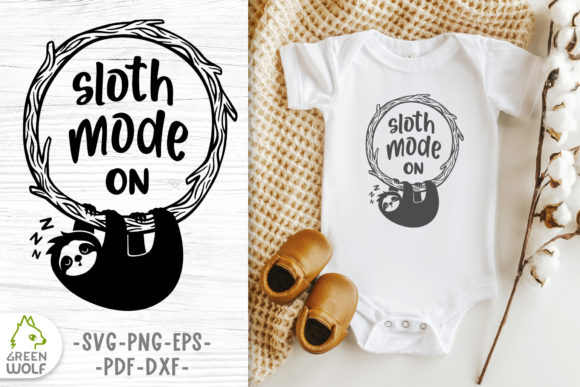
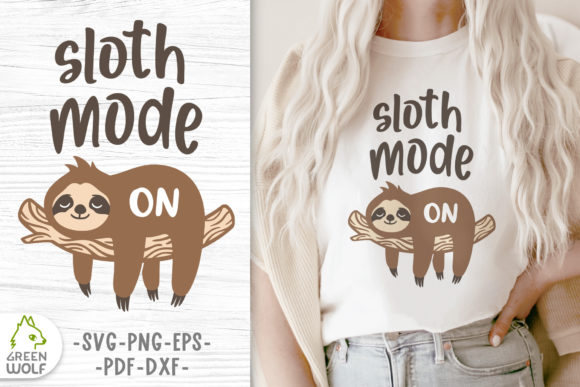
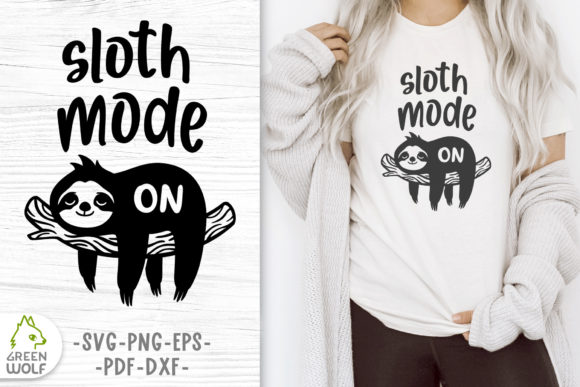
The initial appeal of this design lies in its relaxed, whimsical mood. The image features a sleeping sloth clinging to a branch, paired with the quote "Sloth mode on." Visually, it is clean and uncluttered, which is a massive advantage in embroidery. Complex backgrounds or overly intricate details often turn into muddy stitch clusters, but this layout offers generous negative space. The organic curves of the branch and the rounded form of the sloth suggest a design that would stitch out smoothly without excessive jump stitches or thread breaks.
For those of us working in Graphics and digital assets, the inclusion of a high-resolution PNG (approximately 4800 x 6500 px) alongside the SVG is a thoughtful touch. While my primary focus is embroidery, having a transparent background PNG allows for quick mockups. I can instantly visualize how the design sits on a heather gray sweatshirt or a crisp white tote bag before I even open my digitizing software or hoop up the machine.
Real-World Application: The Custom Tote Test
To truly judge a design, you must imagine it in a customer’s hands. I pictured this design on a heavy-duty canvas tote bag, a staple item for many Etsy sellers and small shop owners. The "Sloth mode on" message resonates with a specific demographic: students, tired parents, and anyone embracing the slow-living trend.
In this scenario, the design’s simplicity works in its favor. On a textured fabric like canvas, fine details can get lost. However, the bold silhouette of the sloth and the clear lettering remain legible. If I were producing this as a handmade product, I would likely opt for a fill stitch for the sloth’s body to give it weight and presence, while using a satin stitch for the branch to create a smooth, wood-like texture. The text would require careful attention to font weight; if the original SVG uses a thin script, it might need thickening during digitization to prevent thread snapping or poor coverage.
Material Considerations and Stitching Challenges
While the design is versatile, it is not without its constraints. When working with stretchy fabrics, such as those used for custom apparel like t-shirts or baby onesies, stability is key. The horizontal span of the branch means the design has width. On a curved surface like a cap or a tight-fitting sleeve, this could cause puckering if not properly stabilized. I would recommend using a cut-away stabilizer for garments that will undergo frequent washing, ensuring the embroidered patch effect remains flat and professional over time.
Another critical factor is color contrast. The sleeping sloth typically implies earth tones—browns, greens, and creams. On dark fabrics, these colors pop beautifully. However, if you are stitching on light pastels, you must ensure the thread colors have enough saturation. A pale beige sloth on a cream shirt will vanish. In such cases, adding a subtle running stitch outline or choosing a slightly darker thread shade can define the edges without altering the design’s gentle aesthetic.
Commercial Viability for Small Businesses
For craft business owners, time is money. A design that stitches quickly and reliably is worth its weight in gold. The Sloth Mode on Svg File appears to be optimized for efficiency. There are no dense, overlapping areas that would require excessive trim time or risk nesting threads. This makes it an excellent candidate for bulk orders, such as holiday gifts or boutique merchandise runs.
Furthermore, the theme is evergreen. Unlike seasonal designs that expire after a few months, "Sloth mode" is a perennial favorite. It fits seamlessly into categories like nursery decor, personalized gift items for teens, or even office accessories. This longevity increases the return on investment for the digital file purchase. As an Etsy seller, you can list this across multiple product types—pillow covers, aprons, and blankets—maximizing the utility of a single digital embroidery file.
Practical Designer Notes for Best Results
Before committing to a full production run, I always advise a few precautionary steps. First, never skip the test stitch. Use scrap fabric similar to your final material to check the stitch density. If the sloth’s face looks too dense, adjust the underlay or reduce the fill percentage. Second, inspect the lettering. Ensure the "Sloth mode on" text is large enough to be readable from a distance. Tiny lettering often fails in embroidery due to the physical thickness of the thread.
Also, verify the licensing terms. While the product description mentions it is for cutting and printing, always confirm if commercial use for stitched goods is permitted. Most designers allow it, but clarity protects your small shop product line from legal issues. Finally, consider the hoop size. Ensure the design fits comfortably within your standard hoops (like 5x7 or 6x10) without requiring re-hooping, which can lead to alignment errors.
Final Verdict on Design Assets
The Sloth Mode on Svg File is a strong contender for any designer’s library. It balances charm with practicality, offering a clear visual identity that translates well into thread. For embroidery project planners, it provides a reliable foundation for creating high-value finished products. Whether you are making a cozy sweatshirt embroidery piece for a client or a quirky tote bag design for your online store, this asset delivers. Just remember to respect the limitations of the medium: stabilize well, choose contrasting threads, and always test before you sell. With these precautions, this sleepy sloth can become a profitable and beloved part of your creative portfolio.