Reviewing the Thank You Calligraphy Quote for Embroidery
As a designer who has spent countless hours digitizing and stitching out lettering, I have developed a keen eye for what works on fabric versus what only looks good on a screen. Typography is notoriously difficult in machine embroidery because thread behaves differently than ink. When I first loaded the Thank You Calligraphy Quote into my workspace, my immediate reaction was one of cautious optimism. The flow of the script suggests elegance, but the real test is always in the stitch-out. This review breaks down how this design performs in real-world applications, from boutique apparel to handmade home goods.
First Impressions and Visual Personality
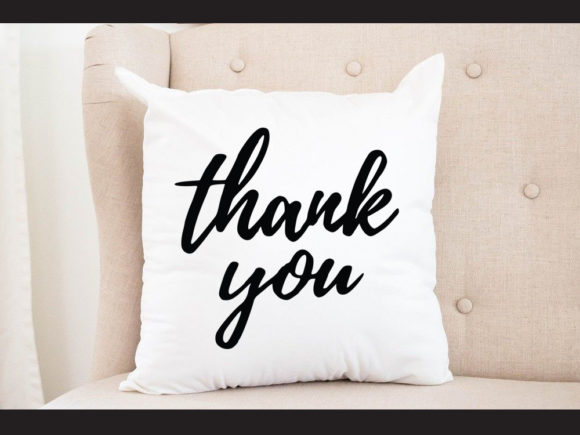
The mood of this piece is warm, appreciative, and slightly formal without being stiff. In the realm of Crafts and digital Graphics, calligraphy designs often fall into two traps: they are either too thin to stitch cleanly or too dense, creating a puckered mess. This design strikes a balance that feels intentional. The loops and tails of the letters provide natural opportunities for decorative accents, while the core structure remains legible.
For an embroidery project, visual personality is everything. This quote does not scream for attention; rather, it invites a closer look. It fits naturally into projects where sentiment matters more than flashiness. Whether you are creating a personalized gift for a wedding party or adding a subtle branding touch to a small shop product, the aesthetic is versatile. It feels at home on neutral tones, allowing the texture of the thread to do the heavy lifting.
Real-World Application Scenarios
To truly evaluate a design, I imagine it on specific items. Here is how I see this machine embroidery design performing in actual production environments.
Custom Apparel and Sweatshirts
Imagine this stitched on the left chest of a high-quality cotton sweatshirt. The curve of the calligraphy complements the natural drape of the fabric. For sweatshirt embroidery, you want a design that isn’t so large it distorts the garment when worn. This quote’s proportions seem ideal for a 4x4 or 5x7 hoop area, making it perfect for custom apparel. The open spaces in the lettering prevent the fabric from becoming too rigid, ensuring the garment remains comfortable.
Tote Bags and Home Textiles
For a tote bag design, durability is key. A canvas tote can handle higher stitch density, which means you can use a satin stitch border around the letters if you choose to edit the file. This adds a professional finish that elevates a simple bag into a boutique item. Similarly, on a kitchen towel or pillow cover, the contrast between the soft thread and the textured fabric creates a tactile experience that buyers love. It transforms a basic household item into a thoughtful handmade product.
Baby Items and Delicate Fabrics
When considering baby embroidery, caution is required. While the sentiment is sweet, you must check the smallest details. If the tails of the letters are too fine, they may break or fray after washing. I recommend testing this on a scrap piece of similar weight fabric before committing to a final personalized gift. Using a proper stabilizer is non-negotiable here to prevent puckering on stretchy knits or delicate onesies.
Technical Considerations for Stitching
Before you hit "start" on your machine, there are critical technical factors to address. Since this product includes vector files like SVG and EPS, as well as raster images like PNG and JPEG, you have flexibility. However, for machine embroidery, you need a dedicated embroidery file format compatible with your machine. If the package does not include PES, DST, or JEF files, you will need to digitize it yourself or convert it using reliable software.
Thread colors play a massive role in legibility. On dark fabrics, a light metallic or bright white thread will make the calligraphy pop. On light fabrics, consider a deep navy or charcoal for sophistication. Always run a test stitch on scrap fabric to check for registration issues. Pay close attention to the connections between letters. In calligraphy, these bridges are vital for structural integrity during stitching. If they are too thin, they may snap under tension.
Also, consider the hoop size. If you are working on a curved surface like a cap, ensure the design fits within the stable area of the hoop. Curved surfaces distort designs easily, so a smaller, simpler version of this quote might work better than the full phrase. For flat items like aprons or tea towels, you have more freedom to let the design breathe.
Commercial Viability and Brand Consistency
For Etsy sellers and creative entrepreneurs, this design offers strong commercial potential. It fits seamlessly into categories like holiday gifts, teacher appreciation items, and bridal party favors. The key to success is consistency. If your brand focuses on minimalist aesthetics, this calligraphy style aligns well. If your brand is bold and graphic, you might need to adjust the scale or add background elements.
Using this as a digital embroidery file for sale requires careful attention to licensing. Always confirm the terms provided by the creator. If you are selling finished items, ensure you have the right to use the design commercially. For those creating printable mockups or design assets, the included PNG files with transparent backgrounds are invaluable for showcasing your work on social media without needing to stitch every sample.
Final Verdict for Designers
The Thank You Calligraphy Quote is a solid addition to any designer’s library, provided you approach it with technical awareness. It is not a plug-and-play solution for every fabric type, but with the right stabilizer and thread choices, it produces high-quality results. It excels in projects where emotion and elegance are prioritized.
Remember to inspect the small details before mass production. Check the stitch density in dense areas to avoid needle breaks. Test it in black and white mockups to ensure contrast works on various backgrounds. Whether you are creating an embroidered patch for a local business or a set of custom napkins for a wedding, this design holds up under scrutiny. It respects the craft of embroidery by offering a layout that acknowledges the limitations and beauty of thread on fabric.
Ultimately, this design serves as a reminder that good embroidery is about more than just the image; it is about the execution. By taking the time to prepare your materials and understand the behavior of the design, you can create a finished product that delights customers and stands the test of time. Keep your needles sharp, your stabilizers firm, and your creativity flowing.