Reviewing the Old Fashioned Candy Cane Christmas SVG for Embroidery
As a designer who spends half my life staring at digitized files and the other half watching needles punch through fabric, I have developed a keen eye for what works in the machine versus what only looks good on a screen. When I first pulled up the Old Fashioned Candy Cane Christmas SVG, my initial reaction was one of nostalgic warmth. It is not just another holiday graphic; it carries a specific vintage weight that appeals to the current market trend of retro-inspired home decor and apparel. However, nostalgia does not always translate well to thread. I needed to determine if this design could withstand the physical realities of embroidery while maintaining its aesthetic charm.
First Impressions and Visual Personality
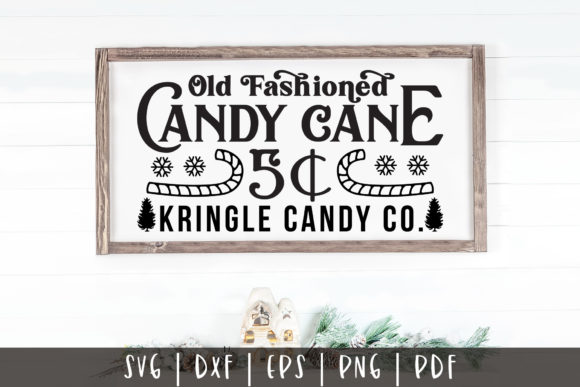
The mood this design creates is immediately cozy and traditional. The layout suggests a classic signage aesthetic, likely featuring bold, serif typography paired with iconic candy cane imagery. For an embroidery project, this combination presents both opportunities and challenges. The visual personality is strong, which is excellent for brand consistency if you are running a boutique shop or an Etsy store focused on handmade holiday goods. The theme is unmistakably Christmas, but the "old fashioned" qualifier suggests a sophistication that avoids the cartoonish pitfalls of many seasonal graphics. This makes it suitable for a wider demographic, from young parents looking for baby embroidery items to adults seeking refined holiday sweatshirt embroidery.
From a Graphics perspective, the lines appear clean. But as we know, a clean vector does not guarantee a clean stitch out. The detail level seems moderate, which is generally a good sign for versatility. It is not so intricate that it will require hours of trimming jump stitches, nor so simple that it lacks character. This balance is crucial for a craft business owner who needs to maintain efficiency without sacrificing quality.
Real-World Application: The Tote Bag Test
To truly evaluate the Old Fashioned Candy Cane Christmas SVG, I imagined applying it to a heavy canvas tote bag, a popular item for holiday gift-giving. Canvas has a distinct fabric texture that can swallow small details if the stitch density is not managed correctly. In this scenario, the design’s bold elements would likely hold up well, providing a striking contrast against the natural beige or deep red fabrics often used for winter accessories. The quote included in the design adds a narrative element, turning a simple bag into a personalized gift that feels thoughtful and curated.
If I were producing this for a small shop product line, I would also consider its application on a structured cap. Curved surfaces are tricky. The design’s layout must be compact enough to fit within a standard hoop size without distorting the text. If the lettering is too wide, it may wrap awkwardly around the crown of a hat. For flat applications like aprons or pillow covers, however, the design should shine. The vintage theme pairs beautifully with linen or cotton blends, enhancing the handmade product appeal that customers seek on platforms like Etsy.
Stitching Considerations and Technical Nuances
When preparing any digital embroidery file for production, we must look beyond the image. How will this design behave under the needle? The candy cane elements likely utilize a satin stitch to achieve that smooth, glossy look associated with hard candy. Satin stitches are beautiful but prone to snagging if they are too long. I would advise checking the column width of these elements. If they exceed 7mm, a fill stitch or a split satin might be necessary to ensure durability, especially on items like tea towels or kitchen linens that undergo frequent washing.
The text portion of the design is critical. Tiny lettering can easily become illegible if the thread colors do not contrast sufficiently with the fabric. I recommend testing the design in black and white mockups first to verify readability. If the font is thin, it may require a running stitch outline or a slightly heavier weight to prevent the fabric from showing through. Always review stitch density before loading the file. High density on stretchy fabric, such as a baby onesie or a soft sweatshirt, can cause puckering. Using the correct stabilizer is non-negotiable here. A cut-away stabilizer might be best for garments that will be worn and washed repeatedly, ensuring the commercial embroidery project maintains its professional appearance over time.
Navigating Fabric and Hoop Constraints
There are specific situations where this design should be used with caution. Dark fabrics can hide the nuances of shadow and depth in the design, so thread color selection becomes paramount. Bright whites and deep reds are obvious choices, but consider metallic threads for a festive twist, keeping in mind that metallics can be brittle and may break if the stitch density is too high. Additionally, if you are working with a small hoop size, you may need to resize the design. Be careful when scaling down; shrinking the design too much can merge separate elements, causing the candy cane to blend into the text or the letters to become unreadable blobs.
For those creating an embroidered patch, the design’s borders need to be clean. A jagged edge on a patch looks unprofessional. Ensure that the digitizing includes a proper border stitch, such as a satin or bean stitch, to frame the design neatly. This attention to detail elevates the finished product from a DIY experiment to a sellable asset.
Enhancing Product Value and Customer Trust
Using a well-chosen design like the Old Fashioned Candy Cane Christmas SVG directly impacts buyer engagement. Customers can sense quality. A crisp, well-stitched design on a custom apparel item builds trust in your brand. It signals that you care about the details, which encourages repeat business. For digital product sellers, offering this as part of a bundle of design assets can increase the perceived value of your shop. However, always confirm licensing before selling finished items or digital products. Not all SVGs are created equal, and understanding the rights associated with your Crafts materials is essential for legal compliance.
In terms of visual appeal, this design offers versatility. It works for nursery decor, adding a touch of whimsy without being overly childish. It fits seamlessly into holiday embroidery collections for home textiles, such as blanket borders or decorative pillow fronts. The key is consistency. If your brand focuses on vintage aesthetics, this design reinforces that identity. If your brand is modern and minimalist, it might clash. Know your audience.
Practical Designer Notes for Implementation
- Test on Scrap Fabric: Never run a new design on your final product first. Use a similar fabric scrap to check tension and registration.
- Check Thread Color Contrast: Ensure the text stands out against the background. High contrast improves readability and visual impact.
- Review Stitch Density: Adjust density based on fabric type. Lower density for knits, higher for woven cottons.
- Confirm Hoop Size: Measure your maximum hoop area and ensure the design fits with room for stabilization.
- Inspect Small Details: Zoom in on the digitized file to check for unnecessary jump stitches or complex trims that could slow production.
- Use Proper Stabilizer: Match the stabilizer to the fabric weight and stretch. This is crucial for preventing distortion.
- Verify Licensing: Check the terms of use for the SVG. Ensure it allows for commercial use if you plan to sell the finished embroidery project.
In conclusion, the Old Fashioned Candy Cane Christmas SVG is a promising asset for the right projects. It brings a sense of tradition and warmth that resonates with holiday shoppers. By paying attention to technical details like stitch type, density, and fabric compatibility, you can transform this graphic into a stunning physical object. Whether you are decorating a tote bag, creating a custom sweatshirt, or designing a festive patch, this design offers the creative flexibility needed for successful commercial embroidery. Just remember to test, adjust, and respect the limitations of your machine and materials. Happy stitching.