Reviewing the My Best Friend Has Paws Embroidery Design
As a designer who spends more time staring at stitch simulations than I do sleeping, I have learned that not every cute quote translates well to thread. We see thousands of digital files promising perfection, but the reality of putting needle to fabric is a different story. Recently, I pulled up the My Best Friend Has Paws, Dog Quote design to evaluate it for a client’s upcoming spring collection. This wasn’t just a casual browse; I needed to know if this asset would hold up under the pressure of real-world production, from hoop tension to customer wash tests.
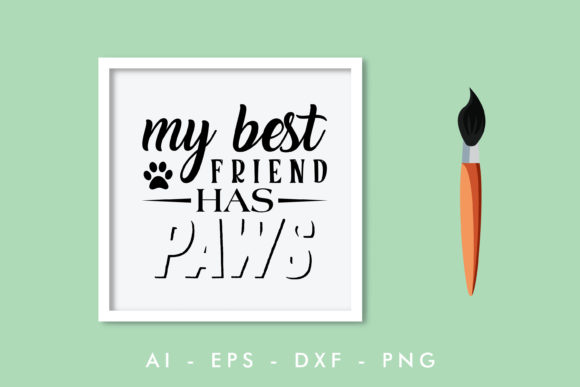
The first impression of this piece is warm and inviting. It captures that specific, cozy sentiment that dog owners cherish, making it an ideal candidate for personalized gifts and boutique merchandise. However, charm alone does not make a viable commercial product. The layout appears balanced, with a visual personality that leans towards friendly and approachable rather than overly intricate or rigid. For embroidery designers, this suggests a design that should be forgiving on various fabric textures, provided the digitizing respects the limitations of the thread.
Real-World Application and Product Fit
I decided to test this concept mentally against a few common scenarios before committing to a full production run. Imagine a custom embroidered tote bag. Tote bags are often made from canvas or heavy cotton, which can be unforgiving if the stitch density is too high. The My Best Friend Has Paws, Dog Quote seems suited for this application because the theme aligns perfectly with the casual, everyday utility of a tote. If the lettering is clean and the paw graphic is simplified, it will stand out beautifully against a natural linen background.
Another strong contender is sweatshirt embroidery. Here, the texture of the fleece or French terry cloth matters immensely. A design that is too detailed will get lost in the pile of the fabric. I looked closely at the preview images included in the package. The files provided—specifically the SVG and EPS formats—allow us to inspect the vector paths before conversion. This is crucial for ensuring that the curves of the paw and the terminals of the font letters are smooth. Jagged vectors in the source file often lead to jagged stitches, which look amateurish on a finished product.
For those running a small shop or selling on Etsy, versatility is key. This design could easily transition from a holiday gift item to a year-round bestseller. It works for baby embroidery on onesies, provided the scale is reduced appropriately, and it fits well on aprons for pet-loving chefs. The emotional connection buyers have with their pets drives engagement, and a well-executed design like this can significantly boost buyer trust and brand consistency.
Technical Considerations for Stitching
Let’s talk about the technical side. The product description notes that you receive a PNG, SVG, EPS, and AI file. It is important to clarify that these are graphics files, not native machine embroidery formats like DST or PES. As an experienced reviewer, I must point out that you will need to digitize these graphics or use auto-digitizing software with caution. Auto-digitizing often fails to account for pull compensation and stitch direction, leading to gaps or puckering.
If you are converting this yourself, pay attention to the stitch density. For the text portion, a satin stitch might work for larger sizes, but for smaller applications like a cap or a pocket logo, a running stitch or a thin fill stitch may be more appropriate to prevent bulk. The paw icon should likely use a fill stitch, but ensure the edges are defined with a border stitch to keep the shape crisp on stretchy fabrics.
Fabric choice plays a massive role here. On dark fabric, you will need to ensure your thread colors have enough contrast. A white or cream thread on navy blue is classic, but test it first. On textured fabrics like terry cloth or wool blends, the fine details of the quote might get swallowed up. In such cases, consider using an applique design technique where the text is cut from felt or vinyl and stitched down, rather than relying solely on thread coverage. This reduces stitch count and improves clarity.
Navigating Challenges and Limitations
There are areas where this design requires careful handling. Small hoop sizes, such as 4x4 inches, may force you to shrink the design to a point where legibility suffers. Always check the minimum readable size before committing to a small project like a baby hat or a coin purse. Additionally, curved surfaces like caps present a challenge. If the text is long, it may distort around the curve of the crown. You might need to adjust the arch of the text in your illustration software before digitizing to compensate for the curvature.
Layered garments, such as hoodies with thick seams, also require strategic placement. Avoid stitching over thick seams if possible, as this can break needles and distort the design. Use a proper stabilizer—cut-away for stretchy fabrics and tear-away for stable wovens—to support the stitches during the sewing process. Without adequate stabilization, even the best design will pucker and look unprofessional.
Commercial Viability and Licensing
For craft business owners and digital product sellers, understanding the license is critical. The package includes a ZIP file with various graphic formats. Before selling finished items or using this as a design asset for commercial embroidery projects, confirm the licensing terms. Many graphic bundles allow for personal use but require an extended license for commercial sales. Do not assume; check the documentation provided by the creator.
From a marketing perspective, this design has high giftability. It appeals to a broad demographic of dog lovers, which is a lucrative niche. When creating printable mockups or digital previews for your Etsy listings, use high-quality images that show the texture of the thread. Customers want to see how the satin stitch catches the light and how the fill stitch covers the fabric. Transparency builds trust.
Final Designer Notes
Before launching this into your production line, follow these practical steps. First, test the design on scrap fabric that matches your final product material. Check thread color contrast and inspect small details for clarity. Compare how it looks on both light and dark backgrounds. If you are digitizing it yourself, review the stitch path to minimize jumps and trims, which speeds up production and reduces thread waste.
The My Best Friend Has Paws, Dog Quote is a solid addition to any library of Crafts and Graphics resources, provided it is handled with technical care. It offers a blend of emotional appeal and visual simplicity that, when executed correctly, results in a high-value handmade product. Whether you are creating a single personalized gift or a batch of small shop products, take the time to refine the digitizing process. The difference between a good design and a great finished product lies in the details of the stitch.